Kew Palace: A Hidden Royal Gem Inside Kew Gardens, London

Tucked away within the lush grounds of Kew Gardens lies Kew Palace, one of London’s most intimate and charming royal residences. Often overshadowed by the grandeur of Buckingham Palace, this smaller Georgian palace offers a deeply personal glimpse into royal life, especially the domestic side of King George III’s family.
For travelers who appreciate heritage, architecture, and peaceful escapes, Kew Palace is a must-visit destination that blends royal history with the botanical beauty of Kew Gardens.
Book your Kew Gardens admission ticket here
Book your timed entry to the Great Pagoda at the same time as your gardens entry here on the official Kew Gardens website.
What Is Kew Palace?
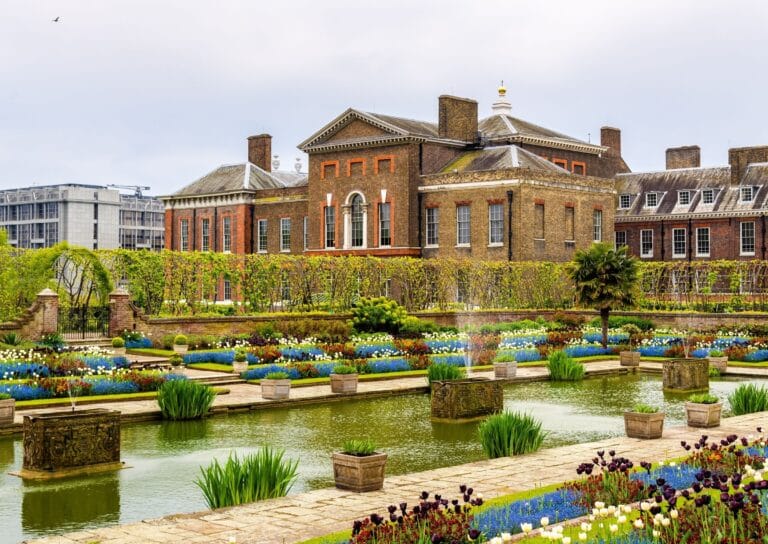
Kew Palace is the smallest of all the British royal palaces. Built in 1631, it served as a family home rather than a ceremonial palace, making it one of the most humanizing royal residences to explore. Its warm red brick façade and intimate interiors reveal the story of King George III, his wife Queen Charlotte, and their 15 children.
The palace sits within the Royal Botanic Gardens, Kew, a UNESCO World Heritage Site. The combination of palace and gardens creates a truly serene experience where history, nature, and architecture meet seamlessly.
Inside the palace, visitors can explore beautifully restored rooms filled with 18th-century furnishings, personal artifacts, and even original wallpaper from the Georgian era. The upper floors remain unrestored to illustrate the passage of time, offering an atmospheric contrast that history lovers find fascinating.

Why Kew Palace Is Worth Visiting
Kew Palace offers something rare in London — a glimpse into royal life away from the spotlight. It’s not about pomp and ceremony but rather family, emotion, and authenticity.
Here’s why it deserves a place on your London itinerary:
- A Personal Royal Story: Experience the home where King George III spent much of his later life during his bouts of illness. His story is told through letters, portraits, and preserved living quarters.
- Charming Architecture: The Dutch-style red-brick design is a striking contrast to other royal residences.
- Tranquil Setting: Located within Kew Gardens, visitors can enjoy both history and nature in one visit.
- Queen Charlotte’s Cottage: Just a short stroll away, this picturesque thatched retreat adds another layer to the royal story.
- Beautiful Gardens: The surrounding botanical gardens are world-famous and provide a relaxing end to your palace visit.
For luxury travelers or families seeking an enriching cultural experience, Kew Palace combines royal heritage with the calm of London’s most beautiful garden.


How Long to Spend at Kew Palace
Plan to spend about 1 to 1.5 hours exploring the palace and its associated buildings.
If you combine your visit with Kew Gardens, set aside at least 3 to 4 hours total to fully enjoy the palace, the gardens, and nearby attractions like the Temperate House and the Great Pagoda.
How to Get to Kew Palace from Central London
Kew Palace is located inside Kew Gardens, in southwest London. The easiest way to get there is by London Underground or Overground.
- By Tube: Take the District Line to Kew Gardens Station. From there, it’s a 10-minute walk to the Victoria Gate entrance.
- By Train: The London Overground and South Western Railway also serve Kew Gardens Station.
- By Car: Paid parking is available near Brentford Gate (limited spaces).
- By River: During summer months, riverboats run from Westminster to Kew Pier — a scenic way to arrive.
Nearby Attractions
If you’re visiting Kew Palace, consider extending your day with nearby attractions that complement the experience:
- Richmond Upon Thames: Just one stop away on the District Line or a short drive, this riverside town is perfect for lunch along the Thames or a leisurely stroll through Richmond Park, home to hundreds of free-roaming deer.
- Syon Park and House: Across the river from Kew, this stately home offers another glimpse into aristocratic life with beautifully landscaped gardens and a glass conservatory.
- The Thames Path: From Kew, you can walk or cycle along the scenic Thames Path, passing charming pubs, bridges, and historic river views.
- Chiswick House and Gardens: A short distance away, this Palladian villa and landscaped gardens are a masterpiece of 18th-century design and perfect for architecture enthusiasts.
These destinations make Kew Palace an ideal anchor for a day out in southwest London filled with culture, nature, and fine dining.

FAQs About Visiting Kew Palace
Is Kew Palace included in Kew Gardens admission?
Yes. Entry to Kew Palace is included with your Kew Gardens ticket. There’s no separate charge. Ascending the Great Pagoda requires an additional 2 GBP fee and an online booking for a timed entry reservation. Book both gardens entry and Pagoda entry at the same time on the official Kew Gardens website.
When is Kew Palace open?
The palace is typically open from spring through autumn (April to October). It closes in winter for conservation. Always check opening dates on the Historic Royal Palaces website before visiting.
Can you visit Kew Palace without visiting Kew Gardens?
No. Access to the palace is only through Kew Gardens, so you’ll need a garden ticket.
Is Kew Palace suitable for children?
Absolutely. Families can enjoy exploring the rooms together and learning about the royal family’s life in a way that’s more relaxed than larger palaces.
Are guided tours available?
Yes. Informative staff and occasional guided tours are available to enhance the experience.
What’s the difference between “Kew Gardens” and the “Royal Botanical Gardens, London”?
They are the same gardens located in the same location in Kew, London.


Final Thoughts
Kew Palace is one of London’s best-kept royal secrets — intimate, historical, and beautifully preserved within the green heart of Kew Gardens. Whether you’re fascinated by royal history or simply seeking a peaceful cultural experience away from the crowds, it’s a destination that brings history to life in an unexpectedly personal way.
With easy access from central London, proximity to other charming riverside attractions, and its serene botanical surroundings, Kew Palace offers the perfect blend of culture, heritage, and natural beauty for discerning travelers.